AC Recharge Tutorial (2008 Jetta)
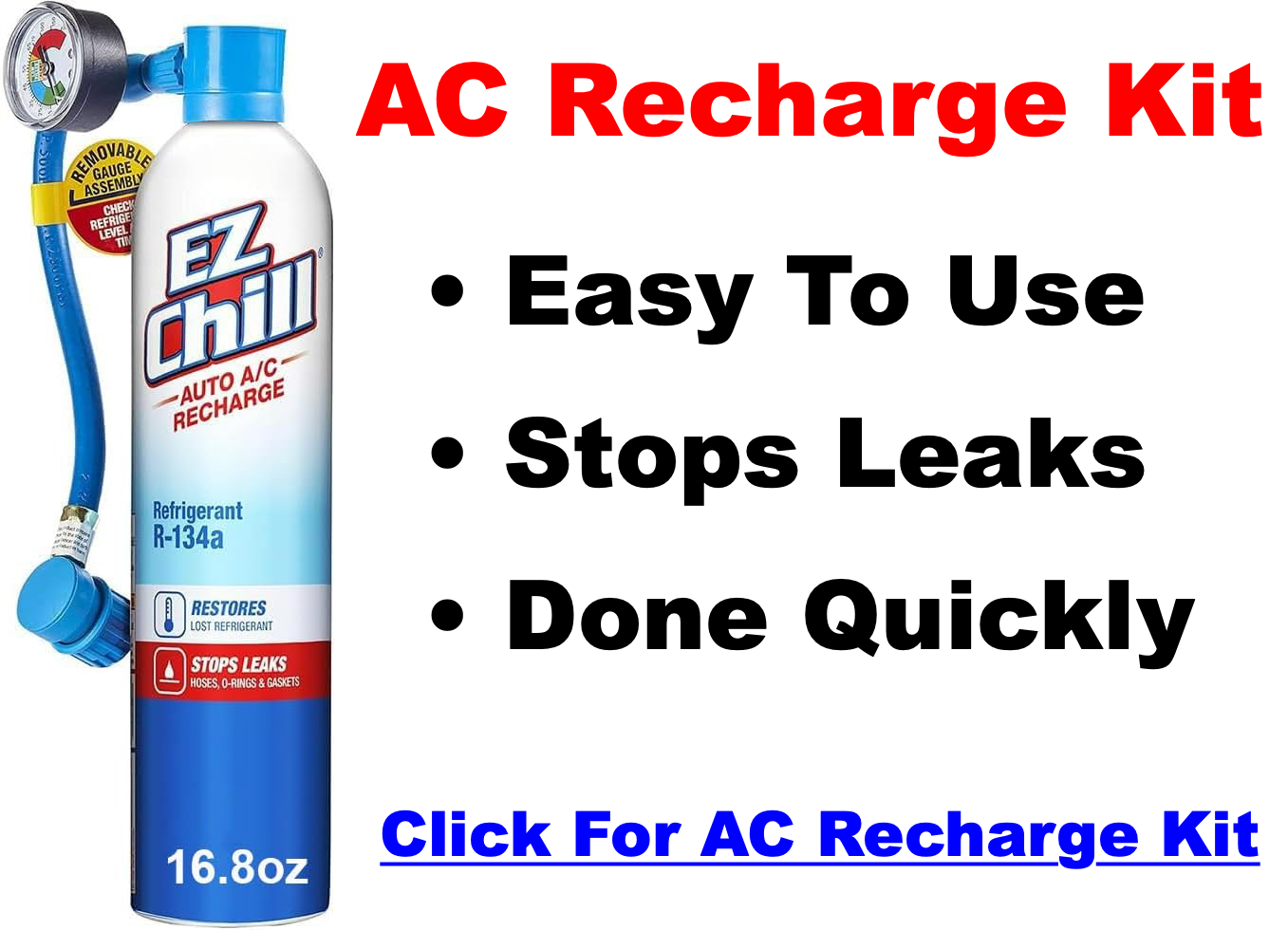
Click Here For AC Recharge Kit
How to Recharge Your Car’s AC: A DIY Guide for the 2008 Jetta 2.5
If your car’s AC has been blowing warm air lately, you’re not alone. In this quick guide, I walk you through a simple refrigerant refill I did on a 2008 Volkswagen Jetta 2.5. This process can be done with minimal tools and a bit of patience.
What You Need
- A refrigerant can with an analog gauge (for better pressure accuracy)
- This is a recharge kit you can get on Amazon
- Safety glasses and gloves
- Digital Thermometer (optional, but helpful)
Step-by-Step: Recharging the AC
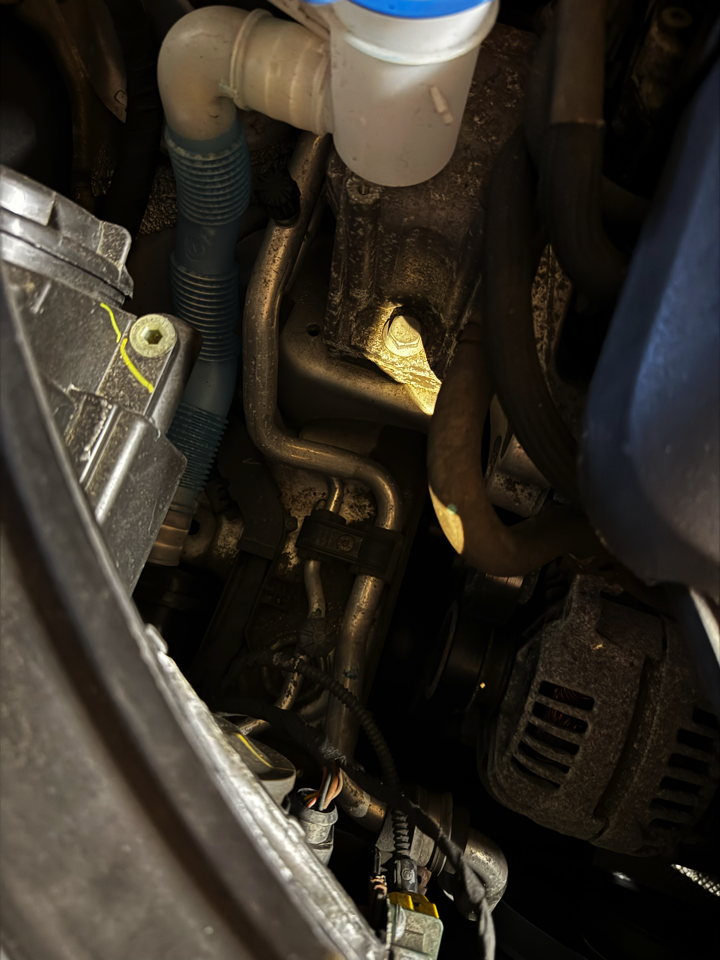
Locate the Low-Pressure Port Start by removing the cap from the low-pressure port of your AC system. It’s typically marked with an “L” and found near the firewall.
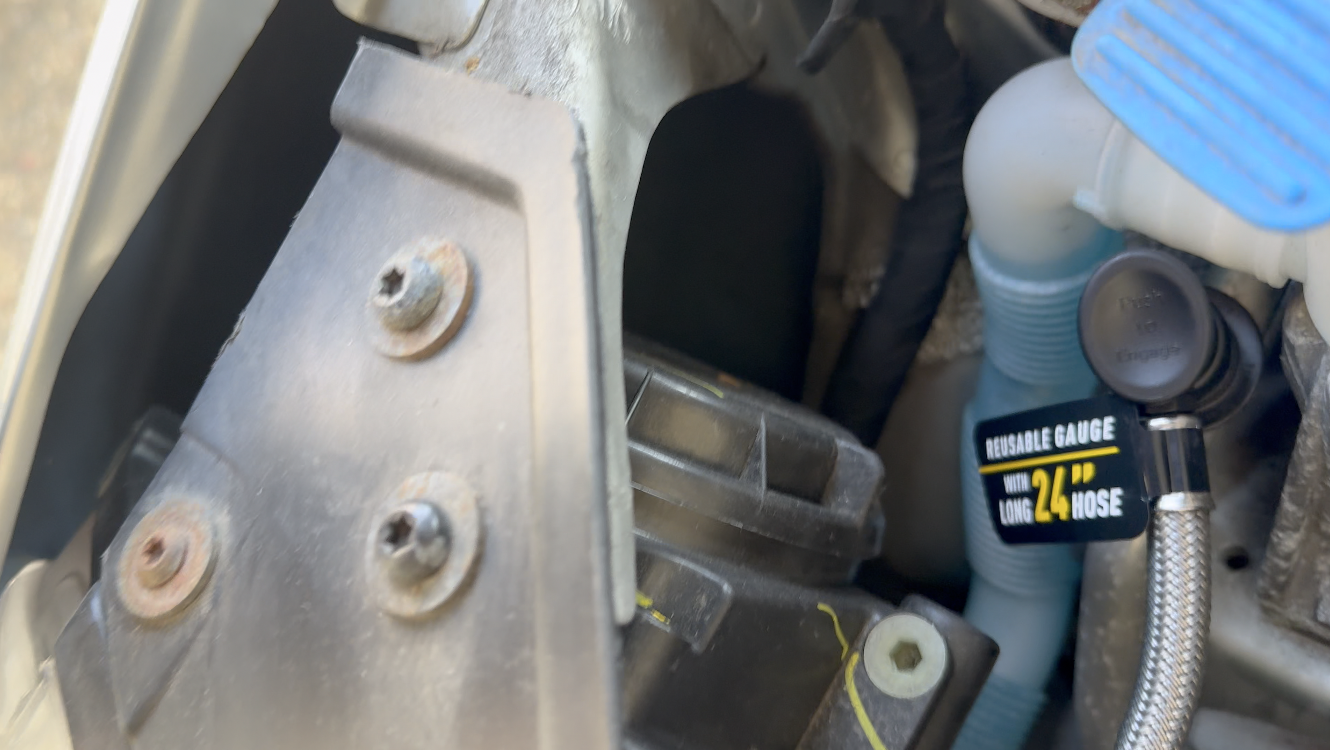
Connect the Refrigerant Can Snap the hose from your refrigerant can onto the low-pressure port. Make sure it clicks into place securely. Read the PSI on the gauge to confirm there’s low or no pressure before adding refrigerant.
Start Charging Shake the can to mix the contents.
Then, squeeze the trigger while continuing to shake the can. Do this in short bursts of 5-15 seconds at a time. I started with 5 seconds, released the trigger, waited for the pressure gauge to settle, then continued for another 5 seconds to recheck where things are.
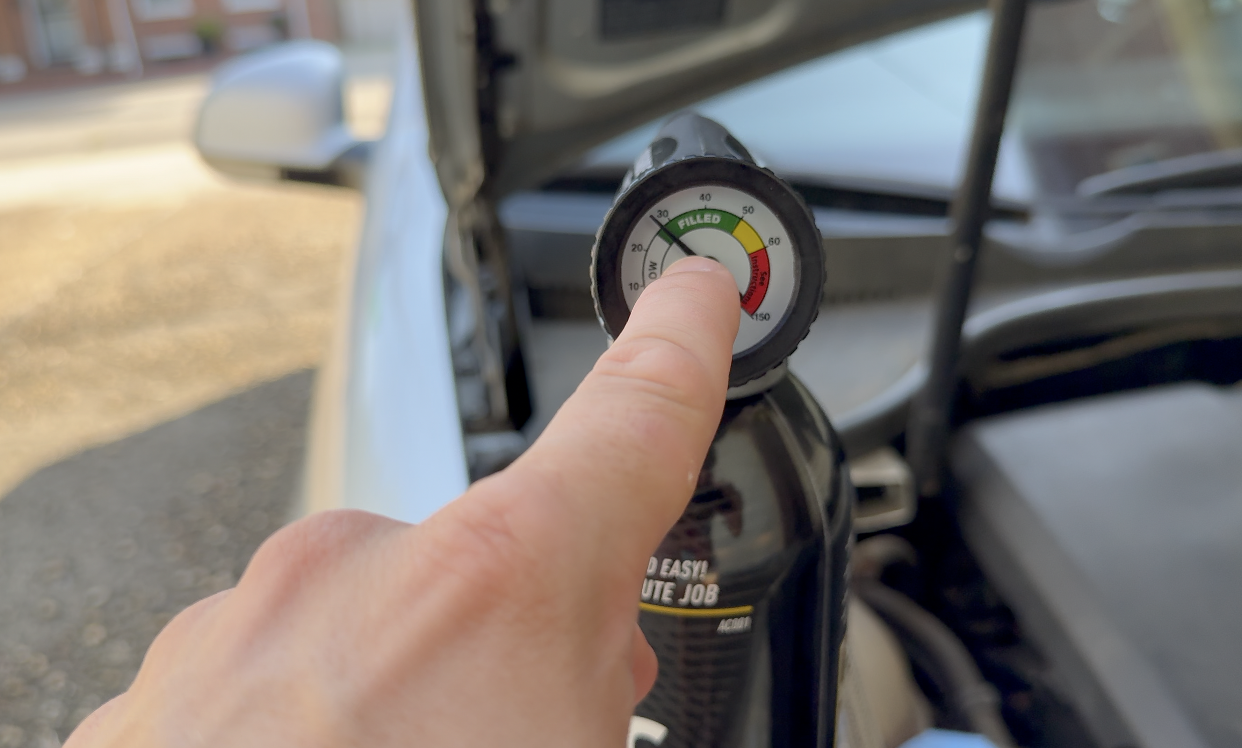
Pause and check the gauge after each burst. Your goal is to reach the green zone on the gauge — no more, no less.
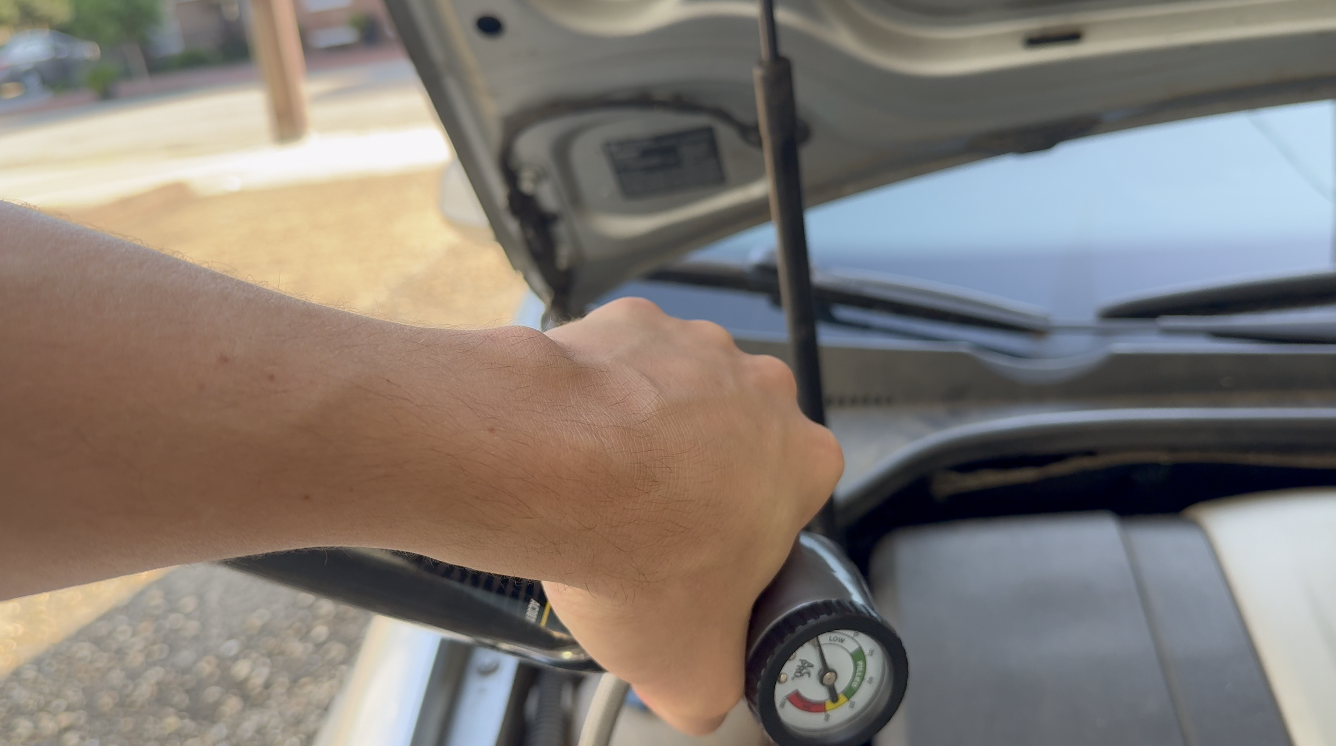
Monitor Your Progress As you fill, the PSI will gradually increase. Don’t rush this part. Overcharging can damage the system, and you’re only measuring the low side here.
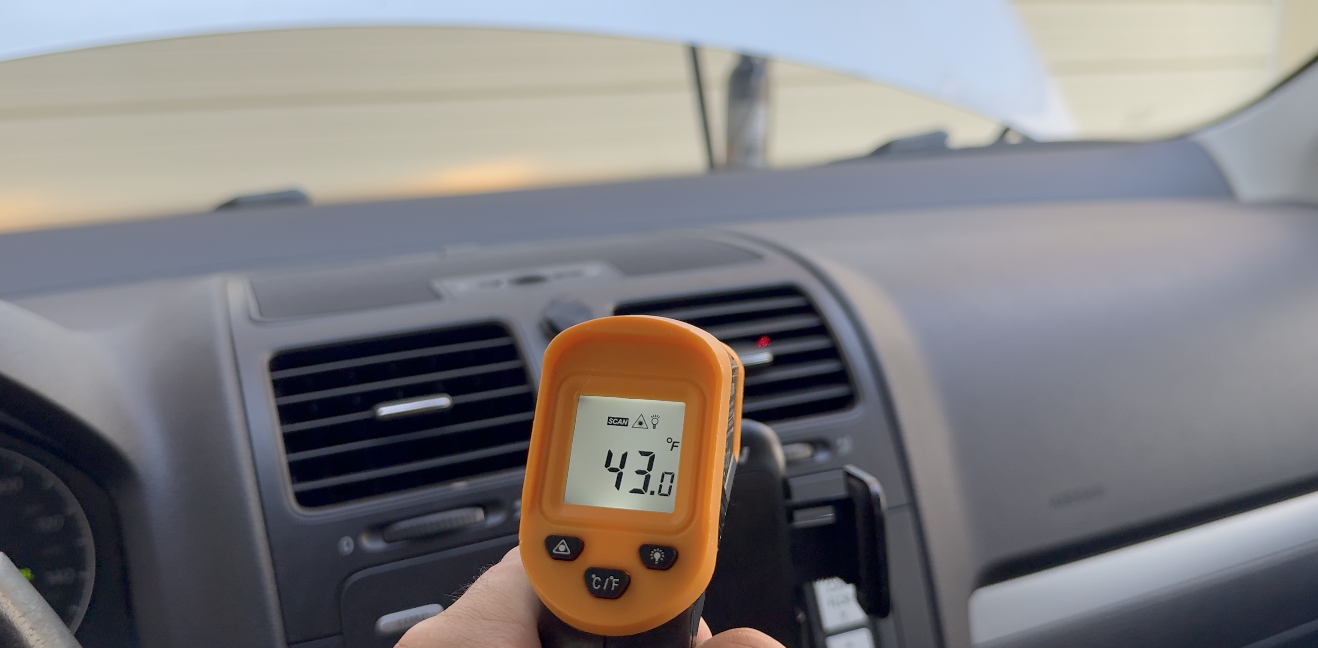
Check the Vent Temperature Use a thermometer to measure the air blowing out of your vents. Initially, it might still feel warm, but after 10 minutes or so, the temperature should start dropping. In this case, the air dropped from 82°F to about 40°F after about 15 minutes of running the car.
Final Thoughts
This quick DIY AC recharge brought the Jetta’s AC back to a comfortable level. It’s not a complete system check, but it’s an effective short-term fix for underperforming AC.
Remember: you’re not checking the high-pressure side, so use caution and don’t overfill.
- How to Restore Yellow, Foggy Headlights at Home (3M Kit Review + Full Step-by-Step)
- How to Apply Rain-X to a Windshield (Step-by-Step Guide + Best Alternatives on Amazon)
- How to Replace a Headlight Bulb on a 2016 Honda CR-V
- How to Replace Your Wiper Blades and Apply Rain Repellent
- AC Recharge Tutorial (2008 Jetta)